Understanding the Shark Teeth Phenomenon
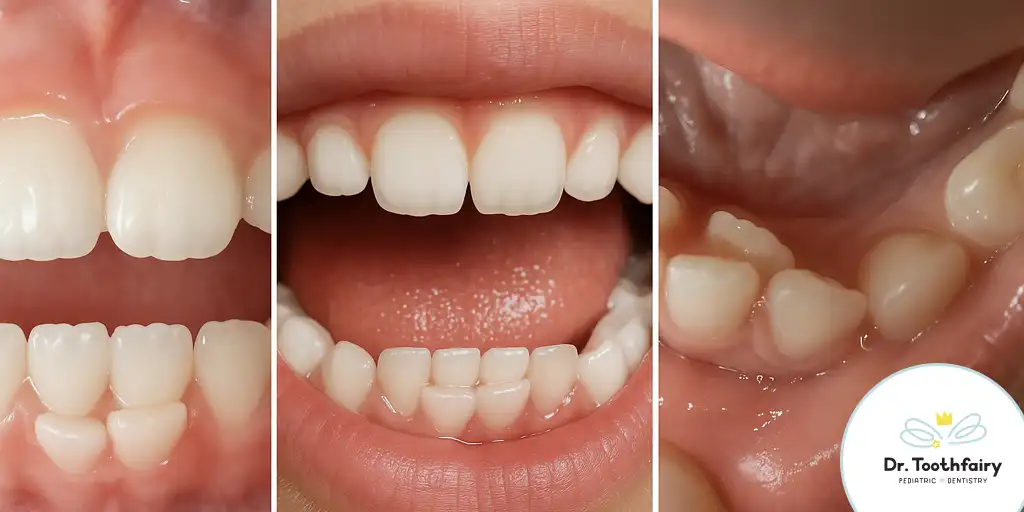
Shark teeth occur when permanent teeth begin to erupt before the corresponding baby teeth have fallen out, creating the appearance of children double teeth. This dual dentition typically happens most frequently with the lower front teeth, though these double tooth rows can occur anywhere in the mouth. The permanent teeth behind baby teeth emerge in a lingual position, giving the characteristic “shark-like” appearance that gives this condition its name.
The timing of this occurrence usually coincides with the natural tooth transition period, typically between ages five and seven for front teeth. During normal tooth development, the roots of baby teeth gradually dissolve as permanent teeth develop underneath, causing the baby teeth to become loose and eventually fall out. However, sometimes this mixed dentition process doesn’t happen in perfect synchronization.
When permanent teeth don’t follow the exact path that causes baby tooth root resorption, they may emerge in a slightly different position, often lingual to the baby teeth. This creates the temporary double-row appearance that concerns many parents when they first notice it.
Why Do Shark Teeth Develop?
Several factors can contribute to the development of shark teeth in children:
Primary Causes
- Variation in normal eruption patterns: Every child’s dental development follows a slightly different timeline
- Space constraints: Smaller jaws or larger teeth may not provide adequate space for ideal permanent tooth emergence
- Genetic factors: Parents who experienced similar patterns may pass this trait to their children
- Strong baby tooth roots: Some children have baby teeth with particularly strong roots that are slower to resorb
Contributing Factors
- Delayed root resorption: The natural process of baby tooth root dissolution may occur more slowly
- Alternative eruption paths: Permanent teeth finding different routes when the ideal path is blocked
- Trauma history: Previous injury to baby teeth can affect normal eruption sequences
- Individual development timing: Some children’s permanent teeth are simply eager to emerge before baby teeth are ready
The most common reason is simply a variation in the normal tooth eruption pattern, with some children’s permanent teeth emerging before the baby teeth are ready to make room.
When Shark Teeth Require Professional Attention
Immediate Evaluation Needed
- Baby tooth remains firmly attached for several weeks after permanent tooth emergence
- Significant angulation of the permanent tooth suggesting poor long-term positioning
- Pain or discomfort reported by the child
- Difficulty eating or speaking due to tooth positioning
- Excessive crowding that appears unlikely to resolve naturally
Monitoring Situations
- Baby tooth shows signs of natural loosening within 2-3 weeks
- Permanent tooth appears to be moving toward proper position
- Child experiences no discomfort or functional problems
- Adequate space exists for natural correction
Dr. Lara Saleh at Dr. Toothfairy in Falls Church can assess whether the shark teeth situation requires active treatment or can be monitored while allowing natural processes to continue. Her expertise in pediatric dental development helps determine the best course of action for each individual child.
Treatment Options for Shark Teeth
When shark teeth require intervention, treatment is typically straightforward and well-tolerated by children:
Professional Intervention Process
- Gentle baby tooth removal to allow permanent tooth adequate space
- Local anesthesia for comfort during extraction
- Quick healing period due to naturally resorbed roots
- Natural tooth movement guided by tongue and normal function
- Follow-up monitoring to ensure proper positioning
Baby tooth extraction in shark teeth cases is usually simpler than in other circumstances because the root has often undergone some natural resorption, even if the tooth hasn’t become noticeably loose. This typically means less discomfort and faster healing compared to extractions where the root structure is completely intact.
What Parents Can Expect During Treatment
If your child requires baby tooth extraction to address shark teeth, Dr. Lara will explain the process thoroughly before beginning treatment. The procedure typically involves local anesthesia to ensure comfort, followed by gentle loosening and removal of the baby tooth.
Most children tolerate shark teeth extractions very well, often expressing surprise at how easy the process was compared to their expectations. The extraction site usually heals quickly, and children can typically return to normal activities within a day or two.
Post-extraction care involves maintaining good oral hygiene while being gentle around the extraction site. Dr. Lara will provide specific care instructions and recommend appropriate pain management if needed, though significant discomfort is uncommon with shark teeth extractions.
Natural Resolution vs. Professional Intervention
Many cases of shark teeth do resolve naturally without any professional intervention. Understanding when to wait versus when to act helps parents make informed decisions:
Signs Suggesting Natural Resolution
- Baby tooth shows loosening within 2-3 weeks of permanent tooth emergence
- Child can wiggle the baby tooth with gentle pressure
- No pain or discomfort reported by the child
- Adequate space appears available for natural movement
- Permanent tooth seems to be moving toward proper position
Encouraging Natural Process
- Gentle wiggling: Encourage your child to gently wiggle loose baby teeth
- Crunchy foods: Eating apples, carrots, or celery may help encourage loosening
- Natural chewing forces: Regular eating helps promote natural tooth movement
- Avoid aggressive force: Never pull or force baby teeth that aren’t ready
When Professional Help is Needed
- Baby tooth remains firmly attached after 4-6 weeks
- Permanent tooth appears to be erupting at a concerning angle
- Child experiences pain or difficulty eating
- Excessive crowding that won’t resolve naturally
The decision between monitoring and intervention depends on several factors including the degree of looseness in the baby tooth, the position of the permanent tooth, available space, and the child’s comfort level with the situation.
Long-Term Implications and Outcomes
Most children who experience shark teeth achieve excellent long-term outcomes with appropriate management. Whether the situation resolves naturally or requires intervention, the permanent teeth typically settle into good positions with normal function and appearance.
In some cases, minor orthodontic considerations may be noted for future reference, but shark teeth themselves rarely cause significant long-term problems. The temporary crowding or unusual positioning typically resolves as the child’s mouth grows and develops.
Regular dental monitoring following shark teeth episodes helps ensure optimal outcomes and identifies any additional considerations that may arise during continued dental development.
Prevention and Risk Factors
While shark teeth can’t be entirely prevented, maintaining excellent oral health supports optimal tooth development patterns. Regular dental visits help identify developing shark teeth early and provide guidance on appropriate management.
Some children are simply more prone to shark teeth due to genetic factors, jaw size, or tooth size variations. Understanding your family dental history can help predict and prepare for potential shark teeth development.
Protecting baby teeth from trauma through appropriate safety measures and mouthguard use during sports helps maintain normal root structure and eruption patterns.
Supporting Your Child Through Shark Teeth
Children’s reactions to shark teeth vary widely, from excitement about their “cool shark teeth” to concern about their changing appearance. Open communication about the normalcy of this process helps children feel more comfortable with their dental development.
Explaining that shark teeth are temporary and that their smile will look normal again soon helps alleviate any self-consciousness children might feel. Focusing on the positive aspects, such as getting their grown-up teeth, helps frame the experience positively.
If other children comment on the appearance, helping your child understand what’s happening and giving them simple explanations to share with friends can boost their confidence during this transitional period.
The Dr. Toothfairy Approach to Shark Teeth
Dr. Lara Saleh’s extensive experience with pediatric dental development allows her to quickly assess shark teeth situations and provide families with clear guidance on the best approach for their child’s specific circumstances. Her gentle, child-friendly approach helps make any necessary interventions as comfortable as possible.
The practice’s commitment to family education means parents receive thorough explanations of what’s happening, what to expect, and how to support their child through the process. Dr. Lara takes time to answer questions and address concerns, ensuring families feel confident about the treatment plan.
Regular monitoring and follow-up care help ensure optimal outcomes and provide ongoing support throughout your child’s dental development journey.
Concerned about shark teeth in your child? Contact Dr. Toothfairy today to schedule an evaluation and receive expert guidance on managing this common childhood dental occurrence.
Related Topics
Need A Dentist Appointment For Your Child?
Time for your child's first dental visit? Looking for a new pediatric dentist in Falls Church, VA for your Children? Request an appointment with Dr. Toothfairy.